
How to
improve fertility
If you are considering becoming pregnant, and particularly if you are struggling to conceive, there are a few lifestyle changes that can help improve your fertility.
You might be surprised to learn how much your lifestyle can impact on your reproductive health, and the health of a developing foetus.
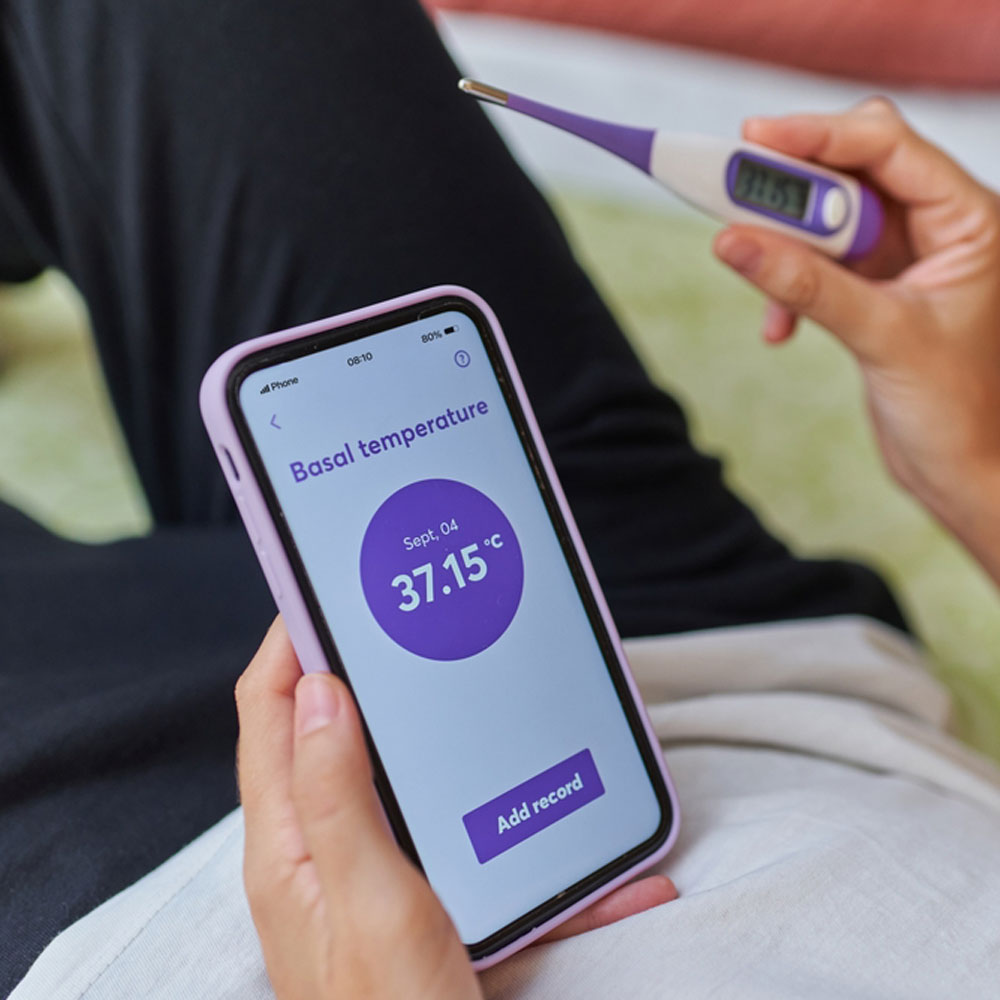
Did you know that the formation of healthy sperm takes around 2 months, and the maturation of eggs occurs roughly 100 days prior to ovulation? This means that your diet, lifestyle and general health today will be impacting on your reproductive health 2-3 months from now.
Diet
A healthy diet including whole grains, legumes, fruit, vegetables, nuts and seeds and some good quality protein such as meat, fish, eggs or milk is recommended for both partners.
It is recommended that exposure to plastics and pesticides is reduced during this time prior to a treatment cycle. Organic food if possible is also preferred. Also ensure an intake of at least 8-10 glasses water daily. Can Turmeric affect your fertility? Find out here.
Vitamins for females
The taking of folic acid supplement (400-500 micrograms per day) by the female for the month around the time of conception has been shown to reduce the risk of neural tube defect (spina bifida) in the baby.
If the woman has a body mass index greater than 27kg/m2, diabetes or a family history of neural tube defect she should take 5 mg of folic acid per day. Excess in vitamin supplements may be harmful and women should avoid excess vitamin A prior to pregnancy. Iodine supplement of 150 mcg should be taken around the time of early pregnancy. Vitamin D should be checked (by blood test) and confirmed as appropriate. Iron stores should also be checked. If the woman is taking metformin vitamin B12 should be checked. The role of pyridoxine supplementation is controversial and excess may be harmful.
Vitamins for males
Men may wish to use vitamin E, C, zinc and selenium to improve fertility, but there is no known dose or type of antioxidants that are recommended.
In particular the effect of Menevit™ has been studied in a few men, whose partners were undertaking IVF, and there was no improvement in live birth rate or embryo quality when the men had taken Menevit™ compared to the men who took a placebo tablet.
Exercise
To maintain fitness and a healthy weight, aim to undertake moderate regular exercise 3 times per week, for around 30 minutes per session.
Excessive exercise for women, particularly that associated with significant increase in the heart rate may reduce fertility. It is best to discuss the type and level of exercise with your doctor.
Weight
There is a clear relationship between weight and fertility, and being markedly overweight or underweight may result in difficulty conceiving.
As weight moves away from the normal range, fertility decreases and the miscarriage rate increases. If a woman is obese, a weight reduction of even 5kg can start to make a significant difference to the chance of conception. Weight loss can be difficult to achieve, where reducing the amount of food intake can help. For some women who are underweight a small gain in weight can improve spontaneous fertility dramatically. Overweight men undertaking IVF are more likely to have embryos of poor quality and have increased miscarriage rates.
Alcohol
Both men and women are advised to cease or reduce drinking alcohol prior to trying for a pregnancy.
Even low levels of alcohol consumption can reduce spontaneous conception in women. For women, alcohol can increase the risk of birth defects in babies. In men, high levels of consumption can reduce male fertility. Alcohol should be avoided by the female partner and very low (maximum of two drinks per day) for the male partner.
Smoking
Women who smoke are 2 ½ times more likely to be infertile than are non-smokers.
Other factors with women who smoke have:
- significantly higher incidence of miscarriage, premature birth and low birthweight babies than do non-smokers.
- poorer responses to fertility treatment, earlier onset of menopause.
- a high rate of intrauterine growth retardation, congenital abnormalities and infant death.
- an increase risk of cot death in the children of smokers.
Men who smoke have a reduction in sperm count, motility and normal appearance. There is also an association with male impotence. In the children of male smokers, there are increased birth defects, childhood cancer rates and asthma.
It is therefore essential to reduce and cease smoking prior to conception. See your doctor or speak to the nurse in Care Fertility if you wish to get some further information.
Illicit or recreational drugs
The use of any recreational drugs should be avoided while trying to fall pregnant. Marihuana use by a male has been linked to sperm abnormalities.
If you or your partner use illicit drugs, and are having trouble to stop, you should discuss this with your doctor.
Avoiding endocrine disruptors
Plastics, pesticides and other environmental pollutants influence human fertility.
Exposure to car exhaust and thermal receipts generated at electronic registries should be avoided in the two to three months prior to a treatment cycle. Some compounds applied to the skin may contain endocrine disruptors such as hand rubs and should be avoided. Learn more about endocrine disruptors here.
Managing Stress
To maintain fitness and a healthy weight, aim to undertake moderate regular exercise 3 times per week, for around 30 minutes per session.
Excessive exercise for women, particularly that associated with significant increase in the heart rate may reduce fertility. It is best to discuss the type and level of exercise with your doctor.
Psychological Wellbeing
Having difficulty conceiving is psychologically stressful for the couple. Here’s some ways couples find support and advice:
- Family and friends
- Nursing staff affiliated with an IVF unit
- Other couples who have infertility
- Psychologist specialising in couples with infertility
It is important for both the male and female partner to share their experiences with each other and decide on the most appropriate support for them as a couple.
Complementary Therapies
Complementary therapies like acupuncture, herbal remedies and aromatherapy are often used as part of preconception care.
Acupuncture used during a fully stimulated IVF cycle and before and after an embryo transfer does not increase or decrease the chance of a live birth. Herbal therapies may interfere with drugs used during a treatment cycle and should not be used.

Start your
fertility journey
We're specialists in optimising natural fertility and providing the latest IVF treatments.
Contact us
Phone: (07) 3394 4108
Freecall: 1800 000 483
Suite 9A, Admin Building
Greenslopes Private Hospital
Newdegate Street
Greenslopes QLD 4120